Table Of Content
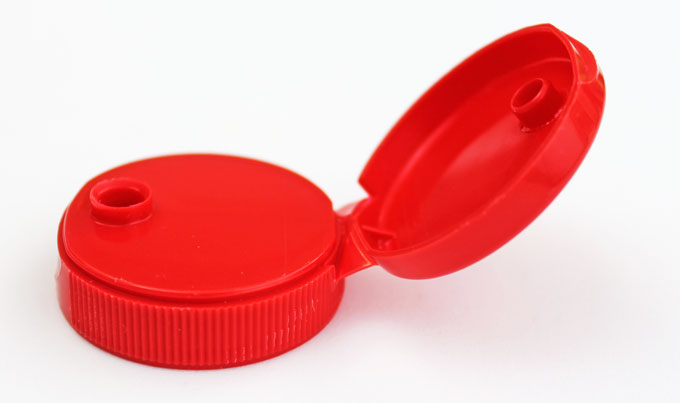
Your imagination is the only limit when designing and utilizing the kerf bend solution. Just follow the basic design guidelines in Figure 15 and you will be on your way to creating movable and aesthetically pleasing designs and parts. The two most common properties to measure quality in plastics are tensile strength and strain. Tensile strength is defined as the amount of stress that a material can withstand before failure. In other words, it is the amount of force (compression, tension, shear, bending and torsion) necessary to break the part.
outstanding performance in the field—and the support center
This is where we at RapidDirect come in as we provide free DFM analysis and professional suggestions for your design. However, if you have a problem, you can consult with our support team for manufacturing advice. The little detail that living hinge design provides is responsible for its ease of use and convenience we enjoy with these products. It is also easy to manufacture and incorporate into products to connect components of the same product. This will include the plastic hinge, plastic hinge types, and a few hinge design guidelines that you can use to achieve a better manufacturing process. A living hinge is a connected portion of a whole part that is thin and flexible enough to allow movement between two otherwise rigid sections of the same part.
Ten Factors For Specifying Hinges
Living hinge typically features a slender, elongated shape, often measuring anywhere from a few millimeters to a few centimeters in width. Their length can vary considerably, depending on the specific application, ranging from a few centimeters to several inches. The thickness of a living hinge is usually a fraction of a millimeter, designed to maintain flexibility while still providing structural integrity. A simple way to demonstrate how living hinges work or fail is with a thin piece of paper. Fold a sheet of paper loosely in half, but don't press down to crease it where it is bent.
Living Hinge Design in Product Manufacturing
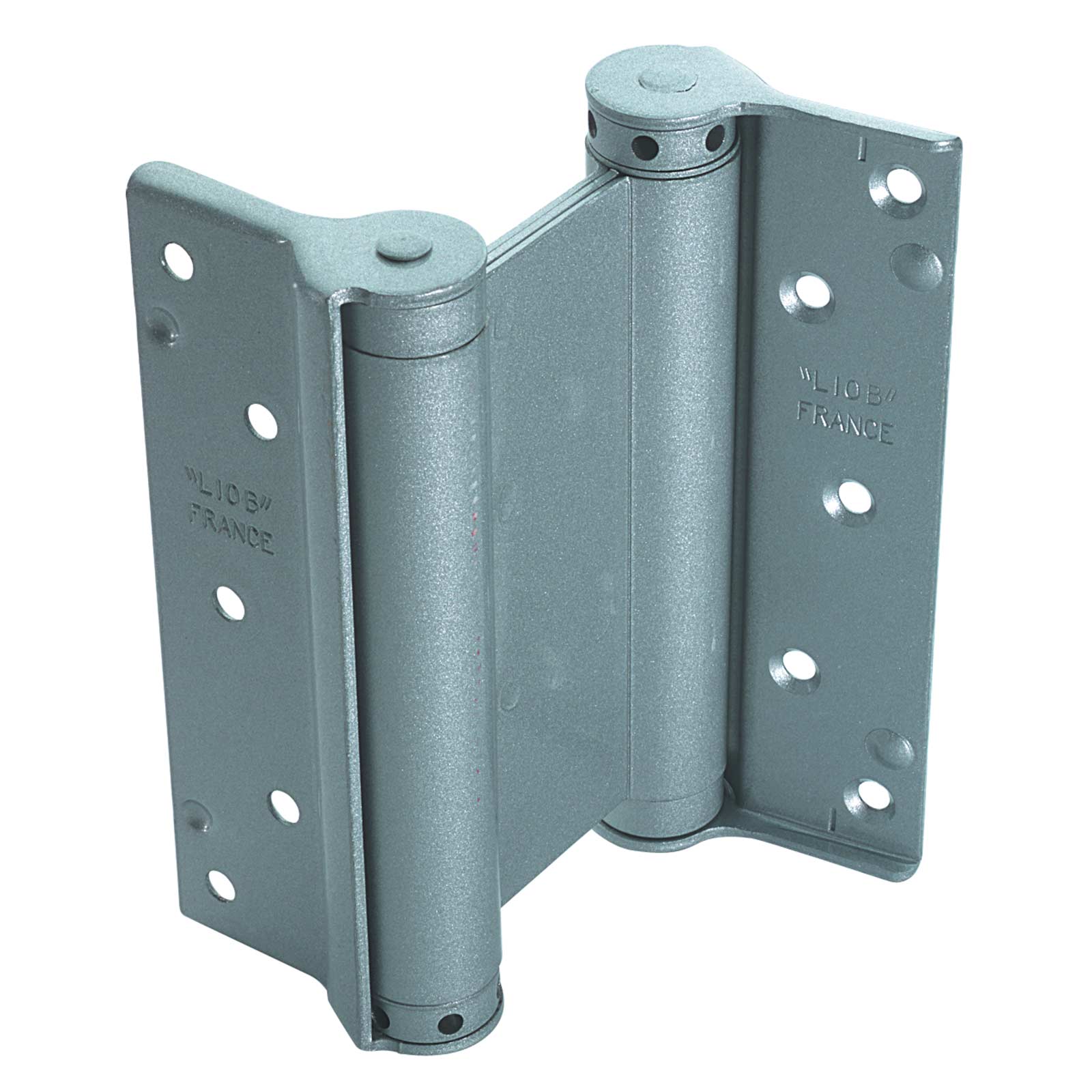
Most cycle test usually give up around the million cycle mark so it is conceivable that they can last many more cycles. This visual guide highlights different types of hinges and their design and purpose. The success of your business is built in part on the speed and responsiveness with which you serve your customers – and so is ours. That’s why we meet (and often exceed) lead times from other manufacturers and ship products same-day, so that our hardware is in your hands as soon as possible. The thickness of the hinge greatly influences its operational feel, determining whether it feels stiff or loose. You may need to experiment with various thicknesses to find the optimal fit for your specific design.
How we designed and built the Pixel Fold's hinge - The Keyword Google Product and Technology News
How we designed and built the Pixel Fold's hinge.
Posted: Wed, 31 May 2023 07:00:00 GMT [source]
Fictiv Launches Nearshoring Solution for Production Injection Molding
A scissor hinge can either lift up or drop down, and is used to control the opening of cabinet fronts as well as lids on things like cedar chests, hampers, tool chests, and radiator covers. The hinge opens and holds at a predetermined angle, requiring the application of pressure to close again. Ask RevPart for your gate location and we can give you a CAD drawing of your mold.
Opt for Thin and Flexible
There are two types of adjustments you might want to make to soft-close hinges - the speed of closure and the placement of the hinge itself. Although each hinge is different, most of them have three screws on the outside that can be used to adjust their alignment. Each UPVC door will have a slightly unique design, so it’s important to refer to your instruction manual before you start making any adjustments. Most UPVC hinges will have an adjustment slot behind a protective cap that can be unscrewed and lifted.
– Hinge Design Should Be Thin and Flexible.
It is fast, cheap, and allows for mass production of living hinges once you decide on the prototype or the final hinge design. Each of these hinges needs to be fitted slightly differently so it can bear the load of the two elements, give the desired aesthetic and operate effectively. Brittle resins like polycarbonate simply aren't suitable for hinges.
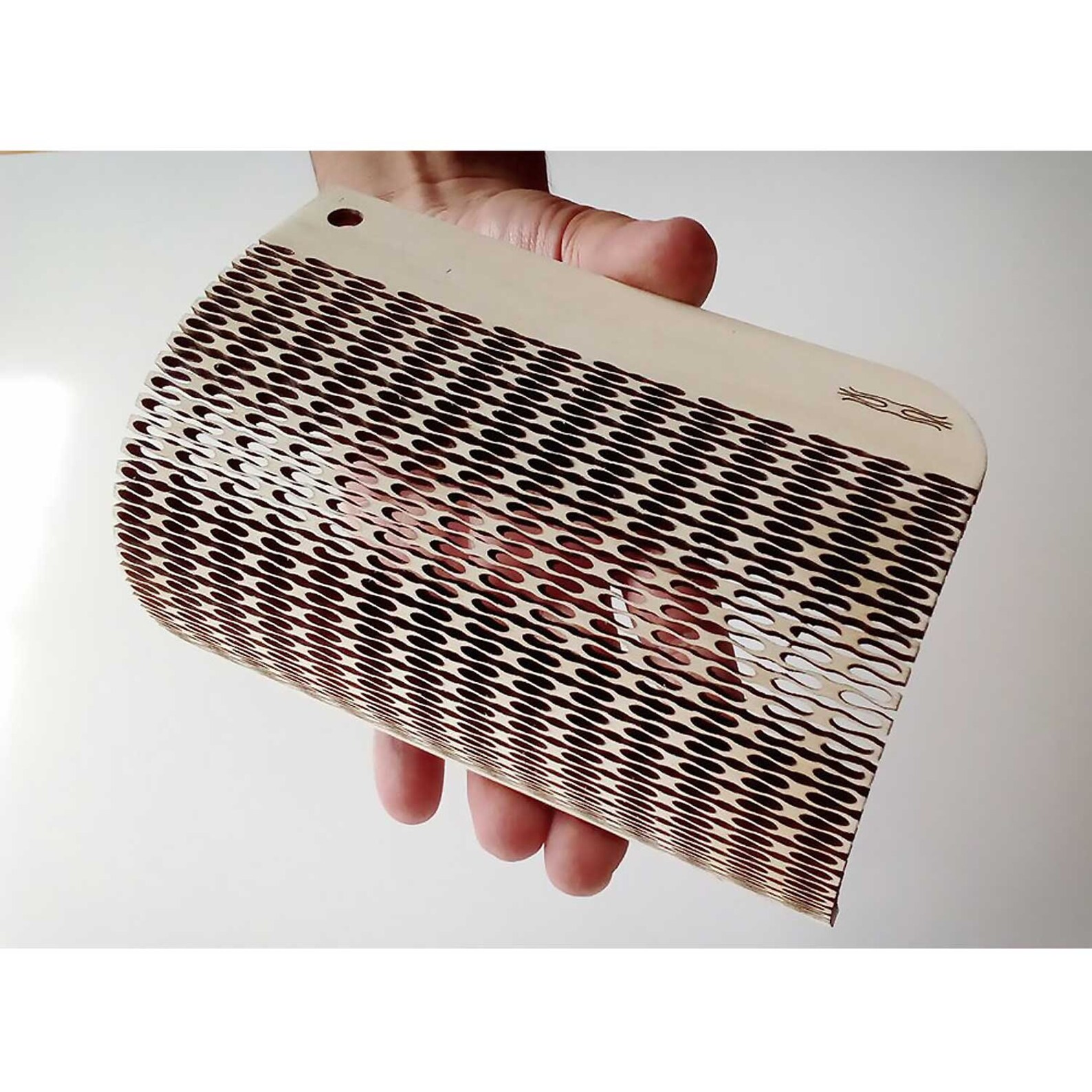
Heavy-Duty Hinge
By running these checks and making one adjustment at a time, you can help to fix any problems with your cupboard door’s alignment and ensure they open and close freely. Make sure your hinges fit perfectly with this guide on how to fit and adjust them. In most situations, you’ll be buying a custom concealed hinge, so get specific when discussing your goals with the hinge manufacturer. There are a number of similar experiments documented on Instructables, with many providing sample patterns you can try out yourself.
Heavy Duty Door Hinges
It involves casting a rubber mold with low-durometer urethane resins, which creates prototypes that perform poorly against wear and tear. The urethane casting method is not common in product manufacturing as its products made via the process are less durable and more likely to break or bend. Conventional metal hinges require assembly and fastening with a screw. However, the living hinge allows the hinge to come from the same material as the product. Therefore, it is possible to directly incorporate it into the product components. The living hinge comes from larger plastic sections and forms a bridge between both components.
Most conventional hinges require some type of pin like a screw or metal rod be inserted for the hinge to turn. Since a living hinge is a uni-body design you can eliminate those parts off the bill of material. Not only do you eliminate the hardware but you get rid of the hassle and cost of assembling the hinge. Furthermore, the radius of curvature along the hinge’s length is another critical dimension to consider. This radius can vary widely, depending on the material, the intended flexibility, and the overall design requirements.
By Design: Polypropylene part design, Part 2 – Living hinges - PlasticsToday
By Design: Polypropylene part design, Part 2 – Living hinges.
Posted: Thu, 30 Nov 2023 15:26:48 GMT [source]
There are four different plastic hinge types used based on their design and strength. They are ideal for opening and closing without cracking or permanent failure in product parts. Notice that the hinge and radial lengths and thicknesses have increased. This results in a stiffer motion due to the increased hinge thickness. Figures 7 and 8 show the resulting 3D print of the design in nylon. Figure 5 shows the typical design of a flat hinge for injection molding.
It’s worth noting though that these adjustments are only minor, usually just a couple of millimetres in any direction. The larger the doorway, the meatier the hinge has to be to keep the door operating correctly. I really like this technique too – You would be surprised by how many people haven’t seen or heard about it before. When customers drop by our US Office and see the examples we have on display, they always comment on the hinges.
Strain is the ability of a material to accommodate deformation before failure. This is commonly measured by the part’s deformation in comparison to a reference length. These are two properties where ABS and PLA fail to make the grade (see Figures 1 and 2).




No comments:
Post a Comment